By Mark Jarman
Soy is one of the biggest drivers of deforestation in the Brazilian Amazon, and one of the hardest supply chains to change. Despite global commitments, moratoria, and growing ESG expectations, progress is often slowed by fragmented systems, misaligned incentives, and a persistent gap between ambition and on-the-ground reality. Farmers wait for market signals. Traders wait for proof. Forests continue to bear the cost.
This challenge is complex, urgent, and deeply systemic. It is also exactly where AgriTIERRA works best.
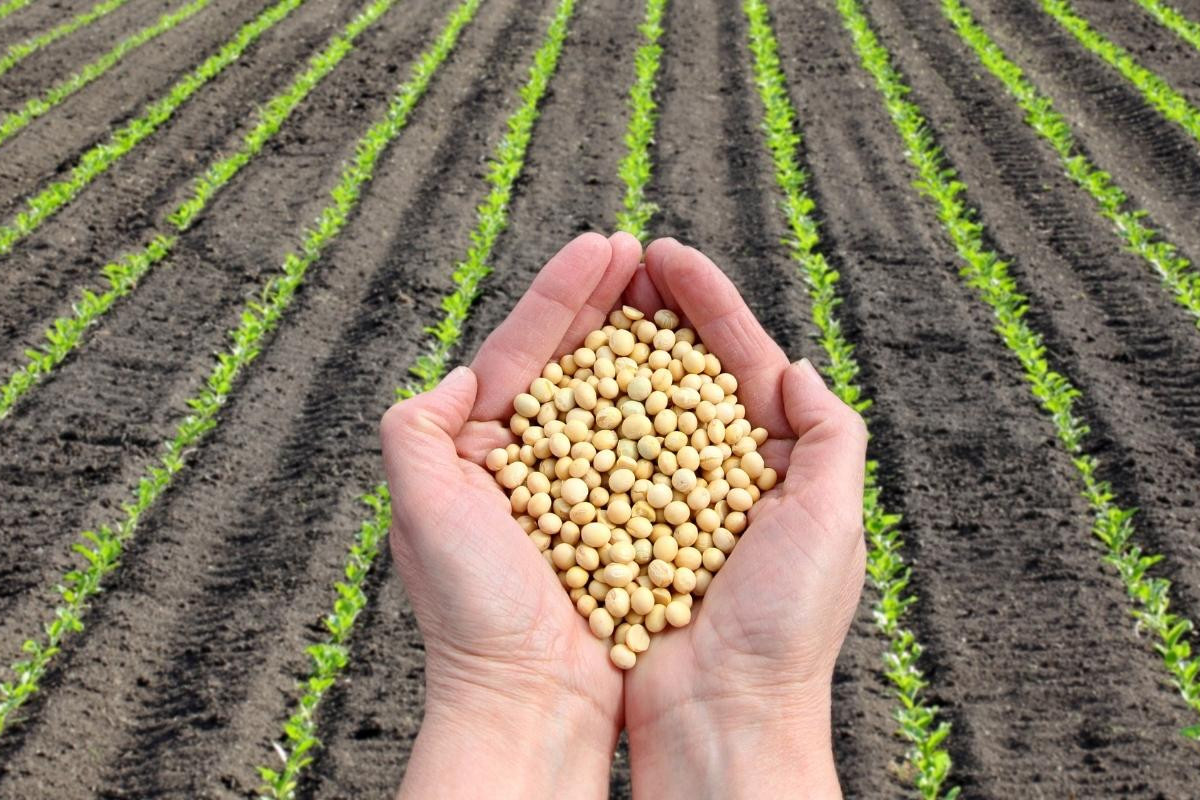
In late 2024, during a visit to London and over brunch ahead of Christmas, AgriTIERRA met with Veronica Robledo, Rainforest Portfolio Lead at the Jacobs Futura Foundation (JFF). JFF, a Philanthropic Foundation aiming for lasting impact in the preservation of the worlds tropical rainforest, had launched a funding call seeking implementation-ready projects to improve transparency, traceability, and environmental compliance in high-risk soy supply chains, while actively incentivising forest retention. The question was simple and direct: could AgriTIERRA help convene a Brazil-led, internationally connected consortium to take this on?
Of course was the reply.
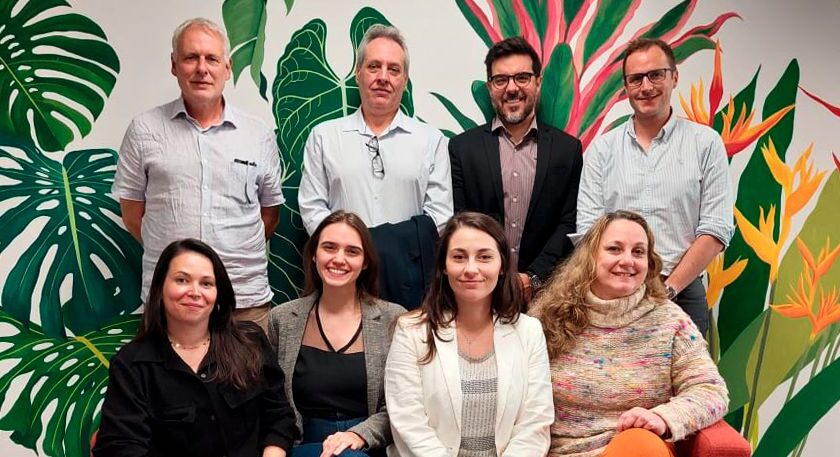
That conversation led to AgriTIERRA being invited to create a Brazil led internationally connected consortium and proposition to tackle this challenge head-on. Together with Fundepag, Imaflora, and Alauda consulting, we were successful in our proposal and are now delivering the JFF-funded project “Incentivising soy farmers to achieve sustainable cultivation in the Brazilian Amazon”.
The project’s vision is clear. Support soy farmers in Pará, Rondônia, and Acre to transition toward regenerative, compliant, and fully traceable production systems, while creating credible pathways for markets and finance to reward that transition.
Rather than advocacy or investigation, the project focuses on real-world deployment:
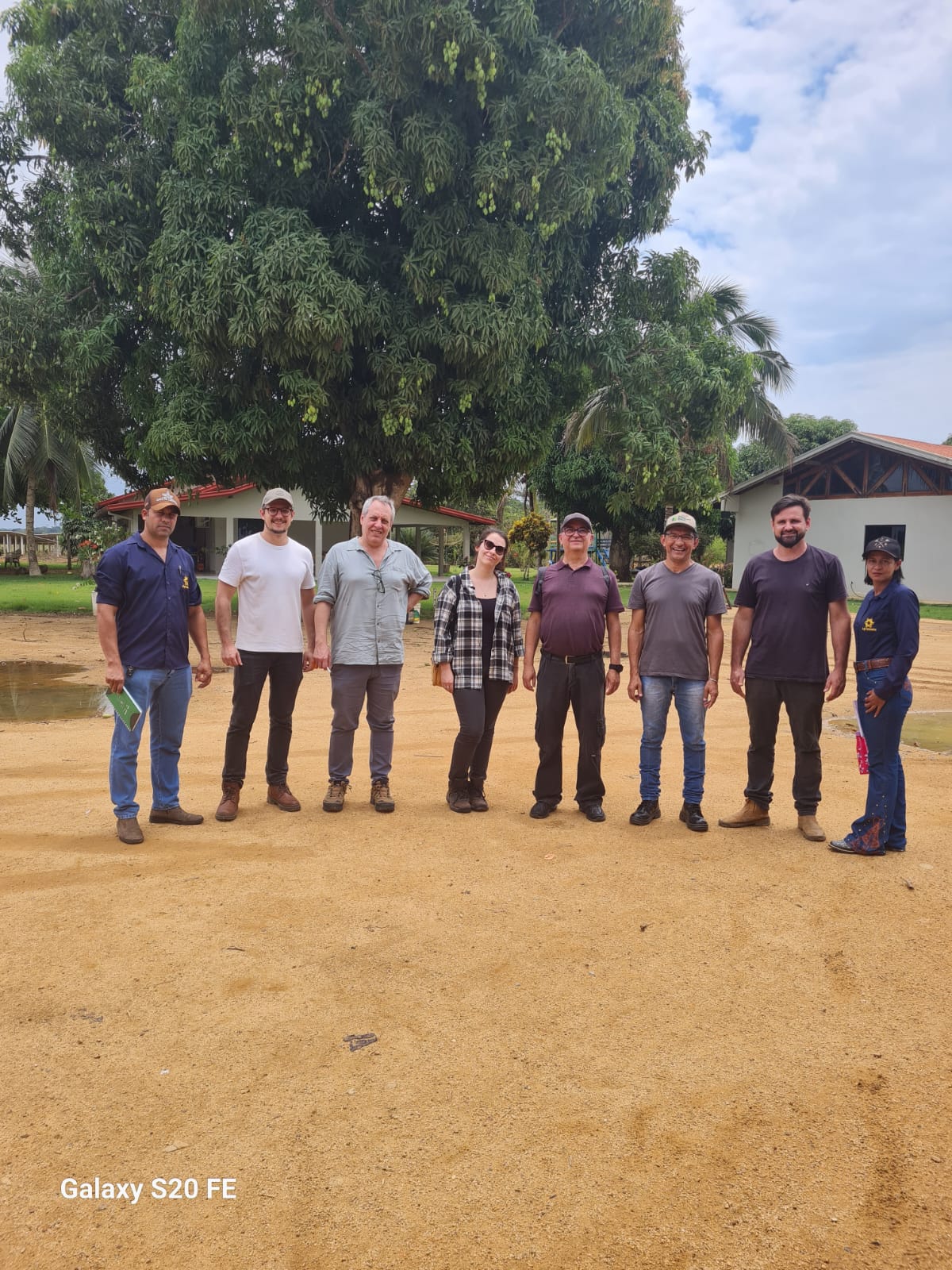
The project is led by Fundepag, a Brazilian non-profit with more than 45 years of experience connecting research, innovation, and sustainable agribusiness. AgriTIERRA, Alauda Consulting, and Imaflora act as project partners, each bringing complementary expertise.
AgriTIERRA’s role is transversal. We help pull the ecosystem together and keep it moving. This includes strategic direction, technical evaluation of traceability pilots, alignment with UK–Brazil innovation and donor ecosystems, and positioning the project for scale. Convening across geographies, disciplines, and incentives is not a side activity. It is the core delivery mechanism.
Six months into implementation, AgriTIERRA recently convened project partners in São Paulo for a two-day review and forward-planning meeting. The session brought together Fundepag, Imaflora, and Alauda Consulting, both in person and virtually, to take stock of progress and align on next steps.
To date, the consortium has:
Looking ahead, the next phase will pilot implementation-ready traceability and regenerative models with up to 75 farmers, testing workflows, incentives, and administrative feasibility during the upcoming soy growing season.
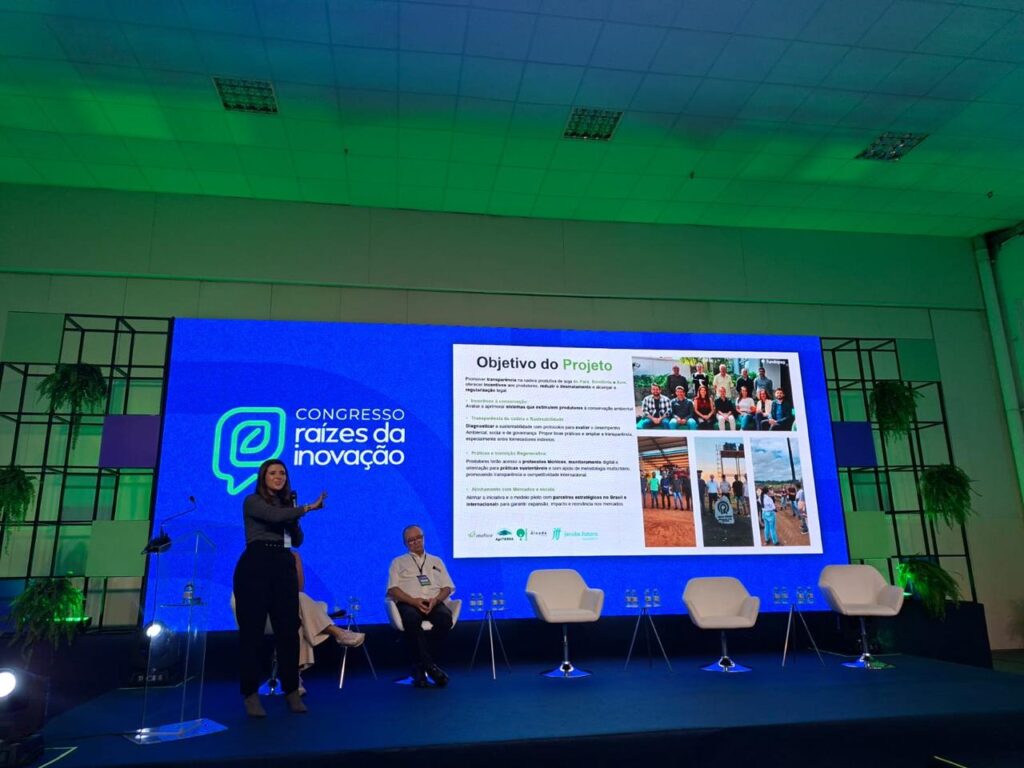
Convening also means shaping the wider dialogue. As part of this work, Angela Estrada, AgriTIERRA’s LATAM Business Development Lead, and João Mangabeira, researcher from Embrapa recently presented the project at The Roots of Innovation Congress in Brazil which creates a business environment to boost technology and sustainability, highlighting how digital tools, MRV evidence, and ecosystem coordination can unlock real progress in deforestation-risk supply chains.
These conversations are essential to aligning innovation, policy, and market demand beyond the pilot itself.
One insight is already clear. Supply chains do not change in isolation. Traders rarely move without demand signals. Farmers will not change practices without credible incentives. State systems need evidence they can trust.
Bringing these pieces together deliberately and continuously is what turns good ideas into durable change.
By convening Brazilian leadership with international expertise, aligning regenerative practice with traceability and markets, and focusing relentlessly on delivery, this project is laying the foundations for a deforestation-free, regenerative soy future in the Amazon.
And this is only the beginning.
Subscribe to get the latest posts sent to your email.
© 2025 Privacy — Terms
Subscribe now to keep reading and get access to the full archive.